
Menopause and Changing Skin
Regenerate, replace lost fat and collagen, rehydrate, and restore confidence. A plan for skin and face through perimenopause, menopause and beyond.
What is it?
Not a single treatment. A plan for a face and skin that are changing on several fronts at once.
As oestrogen falls, skin loses collagen faster than at any other time in life. The commonly quoted figure is around 30% in the first five years after menopause. Skin becomes drier, thinner and slower to heal, and the fat pads that support the face thin and shift. Most women notice it as “my skin has stopped behaving”, and products that used to work no longer do.
The four aims
Regenerate. Treatments that prompt the skin to repair and rebuild itself, such as polynucleotides, Profhilo and collagen-stimulating laser.
Replace. Lost fat and collagen leave hollows and heaviness. Small amounts of filler in the right places restore support, so the face looks rested rather than filled.
Rehydrate. Thinner skin holds less water. Skinboosters and the right skincare bring back comfort and bounce.
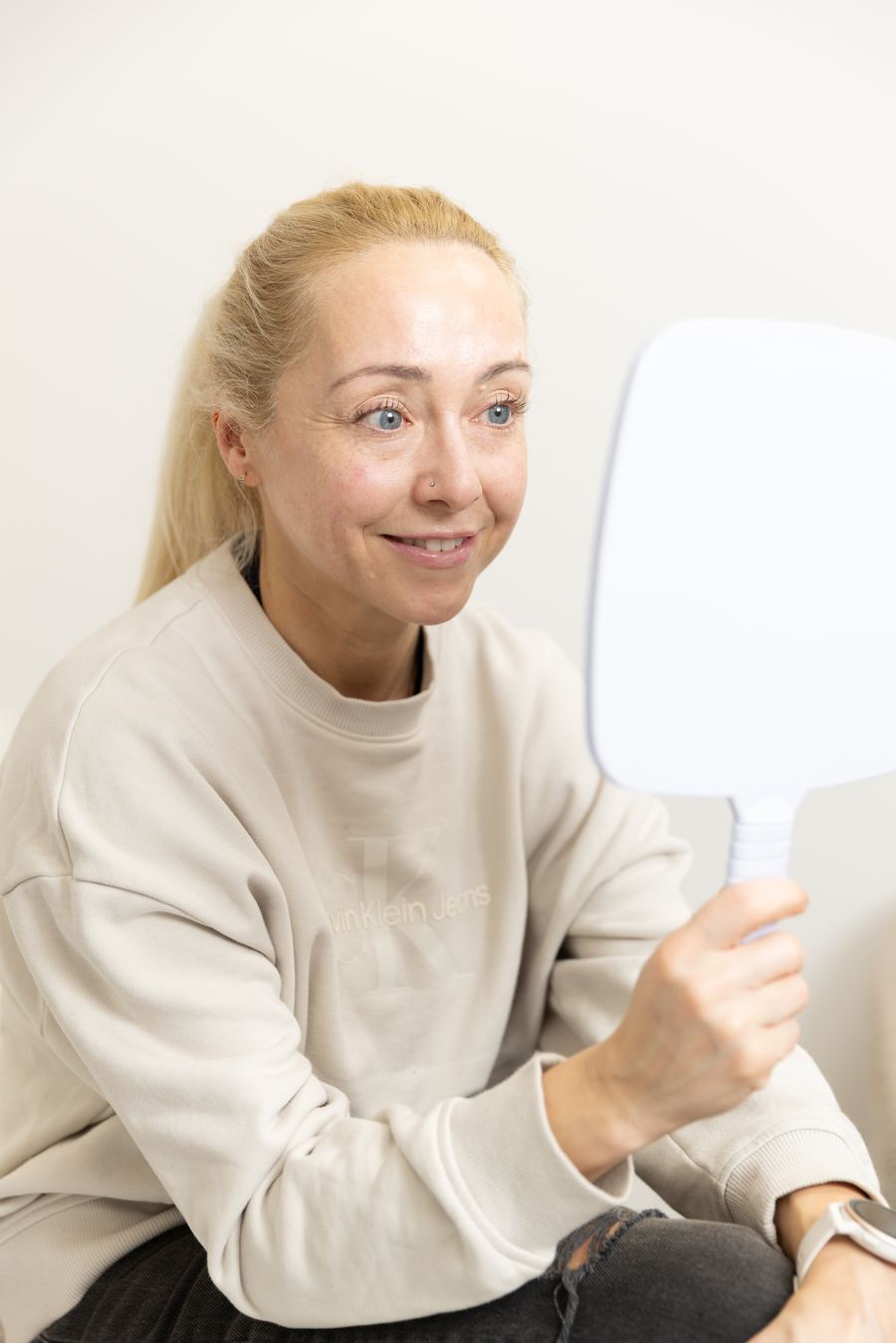
Restore confidence. The real goal. Feeling like yourself in the mirror again, not like someone else.
Why I might recommend it
These changes creep up, and it is tempting to chase each one separately with a new product. I would rather explain what is happening, agree what matters most to you, and build one sensible plan from there. It starts with the standard new patient consultation.
This page is written for women going through perimenopause and menopause, because the skin side of it is so often ignored. Everything on it is open to every adult patient.
Who it suits
- Women in perimenopause, menopause or beyond who have noticed their skin changing
- Anyone whose skin feels drier, thinner, more sensitive or less firm, or who has new pigmentation or breakouts
- People who feel unsure where to start and want honest, practical advice
What I consider when deciding
What you want to feel. I start with your goals, not with a treatment menu. For some women, the priority is comfort: skin that no longer feels tight or reactive. For others, it is looking less tired. These lead to very different plans.
Which changes are skin, and which are structure. Dryness, crepiness and dullness usually point to skin-focused treatment. Hollowing, heaviness along the jawline or a change in facial shape may relate to loss of volume and support.
How your skin tolerates treatment now. Skin that has become thinner and more sensitive may react differently from before. I often start more gently, repair the skin barrier first, and build up gradually.
Pigmentation and hormones. Hormonal changes can trigger or worsen pigmentation such as melasma. Some treatments, particularly those involving heat, need caution.
Your overall health. Menopause affects far more than skin. Hormone treatment is a matter for your GP or a menopause specialist, and I’m very happy to work alongside them. I will always ask about your medical history and medications, because they can affect what is safe and suitable for you.
Pace and priorities. You don’t need to address everything at once. I usually suggest one or two priorities and review from there.
Whether to do anything at all. Sometimes the best treatment is no treatment at all, or simply a better routine and reassurance. I’ll tell you honestly.
What can realistically be achieved
Depending on your goals, treatment can make skin feel more comfortable, look healthier and more hydrated, improve texture and tone, and restore some support to the face. It cannot stop or reverse hormonal changes, and results are subtle and gradual by design. The aim is for you to feel comfortable and confident in your skin, not to look like someone else.
The treatments I most often draw on include:
- Skin health for dryness, sensitivity, pigmentation and texture
- Regenerative treatments for thinning, crepey or dehydrated skin
- Laser for texture, tone and collagen stimulation
- Facial rejuvenation where lost volume and support is the main concern
- Lips where lips have thinned or lost definition
Downtime
The consultation itself has no downtime. Downtime for any treatment depends on what we choose, and each treatment page explains this in detail.
Results
Results depend on the treatments involved. Skin-focused changes are usually gradual over several months. Structural treatment can show a more immediate change that settles over a few weeks. In my experience, the best results come from a steady plan reviewed as your skin changes.
Risks and important considerations
Each treatment has its own risks, set out on its page. Thinner, more sensitive skin may bruise more easily or react more strongly to active ingredients and peels, so I often take a gentler approach. Please tell me about any medicines you take, including hormone treatment, and any changes in your health, as these can affect your skin and your suitability for treatment.
Common questions
Is it normal for my skin to change this much?
Yes. It is very common, and there is a great deal that can help.
Should I be on HRT before having treatment?
That is a decision for you and your GP or menopause specialist. Treatment with me doesn’t depend on it, and I’m happy to work alongside whatever care you have in place.
Where should I start?
With a consultation. We’ll talk about what bothers you most and agree one or two sensible first steps.
Can I combine this with other treatments?
Yes. Almost every treatment I offer works alongside the others. Choosing can feel overwhelming, so I’ll help you decide, based on your preferences, your comfort, the result you want and what you’d like to invest. Then I’ll plan the order and timing so each one can do its job.
Will treatment look obvious?
It shouldn’t. My approach is natural and gradual, and I would rather do too little than too much.
Price
See the pricing page. Every plan is confirmed at consultation.
Is this right for you?
Sometimes the best treatment is no treatment at all. A consultation is the honest way to find out.